
Our wedding came just two days after spring began, when the trees were still a tangle of bones against the butter-gold forsythia down by Papa’s pond. So Jared and I came into the gardening season as stragglers. By the time we returned from our honeymoon, the daffodils were already blooming along our fence, and the woods were growing green and fat.
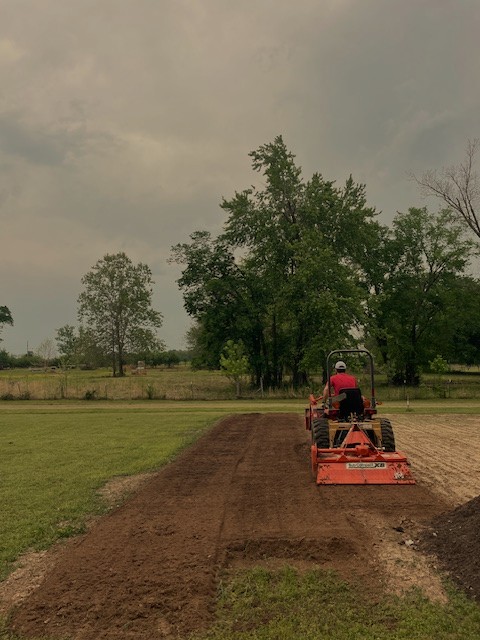
A month later, I watched as Jared cut the rows of our first garden beneath the tractor. The turned-up earth had that fresh smell of worms and rainwater long forgotten. We had a blank slate before us, an open swath of land under our feet and at our fingertips. We had cardboard boxes of peppers, tomatoes, cucumbers, marigolds, and squash. We went out to dinner that night to celebrate. We had a lot of hope.
We were in those blessed, early days of marriage when our home still had empty corners and some of our appliances were still in boxes. Marriage was a new country, and we were exploring each hill and bend, finding our place inside it.
We planted a whole lot of green beans in that garden, and I looked forward to freezing them that summer to put in winter soups and shepherd’s pies. Then summer came, and I was green from morning sickness, and it was all I could do to pick the green beans under the hot sun and throw them in the freezer. I couldn’t even look at the recipe for shepherd’s pie.
What we lacked in tomatoes last year, we made up for in cucumbers and summer squash. Every few days, I’d come inside and thump baskets of them onto the counter. Over and over again, I ran water baths for pickling that made our kitchen steamy and me a little nauseous. The harvest was more plentiful than we knew what to do with.
But August made the garden haggard. It aged us, too. If life slowed during my pregnancy, then it nearly halted when we lost our baby in the thickest part of the summer. Within the first six months, the landscape of our marriage would be marked by a deep furrow—a place where we would sit for a long time before beginning the climb out. By God’s grace, it wasn’t a chasm between us, but one of those channels the Sower cuts in the earth, where He intends more seed to grow (John 12:24).
I had hoped to plant a fall garden last year, but by the time I healed properly, it was too late. I let the butternut squash rot on their vines and the cucumbers turn yellow as bananas. The evenings grew tired and dark. It wasn’t until November that I took up my trowel again, bent down in my beds, and planted anything. A box had come in the mail from Papa Larry, full of hyacinth and crocus bulbs. I remembered how Papa had worked through his grief when my grandma passed away by planting dozens of her favorite flowers, so there on the edge of winter, I took up my shovel and prepared for the great resurrection of spring. I planted alliums and winter pansies on our sweet baby’s grave.
It is March again—new and green and warm and windy. There are more daffodils than last year and crocus and hyacinths, too, in a dwarvish village beside our doorstep. It’s the beginning of what I hope will be a cottage garden someday that fills out its corners with ivy, hydrangea, and lavender. I’m reminded that it takes many winters and summers for a place to become fully-formed and mature. A well-made garden is one that looks like it’s always been there, and this might also be true of a marriage. But the truth is, there will always be a day of small beginnings—of plain, dirt rows and the first fledgling plants. There will always be the first year, the first garden, the first real trial that tests the roots.
Before our wedding, I had gotten it in my mind that marriage was going to be hard. This, Jared would remind me, was not biblically true. Life under the sun is difficult, but marriage itself is good down to its veins. What makes marriage hard is the sin I bring into it, but “marriage is a precious flower its designer allowed us to bring from Paradise into this sinful world.”* It’s like the tree in Psalm 1. The storms do touch it, but that tree knows where its roots are and just goes right along growing, bearing fruit in season and with leaves that don’t wither.
Yes, there were storms in the first year of our marriage. But there were even more Bible studies at the breakfast table, sunsets from the back porch, ordinary days cleaning or building or planting things around our home, and growth that was burgeoning beneath the surface of it all.
One year later, and we are not the same people we were. Still, we have a lot of hope.
Settled deep in the soil of Christ’s grace, our first garden will go right on growing until it’s our second, and fifth, and twenty-fifth, and this hope only grows more sure, because, on the other side of the valleys and ravines, we will have looked upon the goodness of the Lord in the land of the living.
*Joel R. Beeke & Mary Beeke, How to Build a Godly Marriage. (Reformation Heritage Books: 2025), 6
 bethanyjlincks.com