
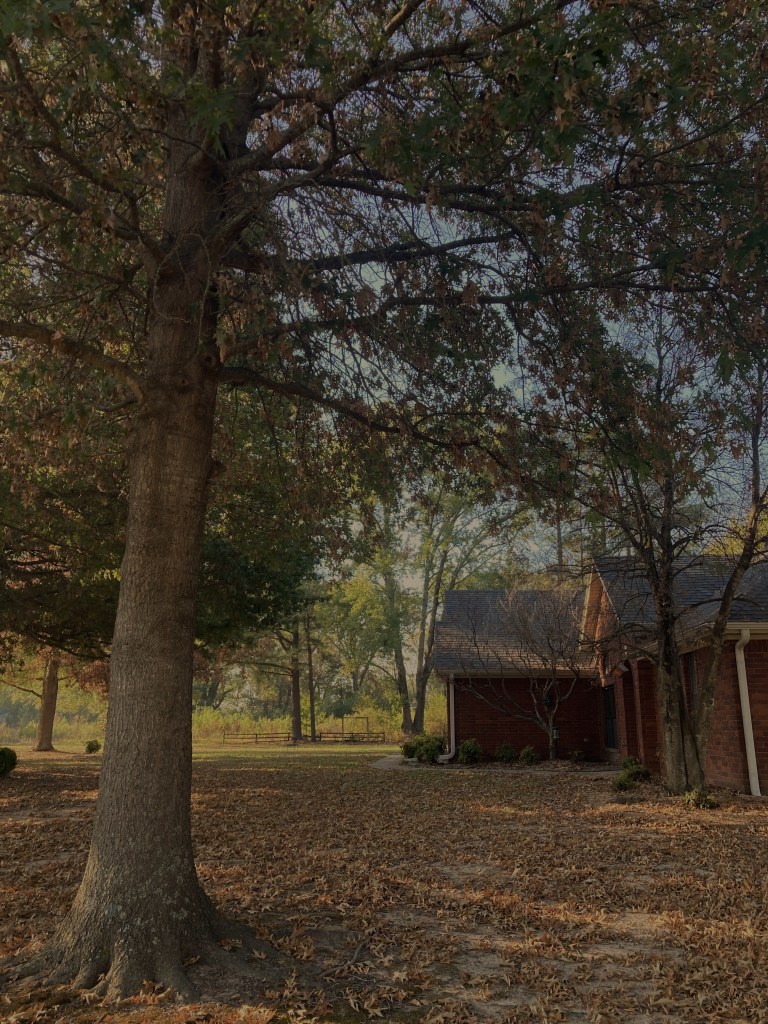
I began reading Wendell Berry in the spring of 2020 when the world panicked and hid, and there weren’t many places to go besides the woods, the garden, or down to Papa Jay’s pond. Incidentally, I spent a lot of time roaming my grandparents’ property that spring since they were within walking distance and were feeling rather lonely themselves. We raised ducks and played music on the back porch and ate take-out on Sundays in their kitchen.
I remember sitting on their big swing some quiet, spring evening when the peepers were just learning their song and watching Papa Jay amble around picking up stray sweet gum balls. He was combing the hillside like he’d done every day since he’d built the place, tidying it like a mother does her home. I’d been reading Jayber Crow, and right then, I thought of the old farmer in the story, Athey Keith:
“Athey was not exactly, or not only, what is called a ‘landowner.’ He was the farm’s farmer, but also its creature and belonging. He lived its life, and it lived his; he knew that, of the two lives, his was meant to be the smaller and the shorter.“
From what I can tell, there are two things that happen when you read a good novel. First, you read it to experience the characters in their place, living alongside them as if you were a member yourself of Port William and getting to know the others: Andy Catlett, Matt Feltner, Old Jack, and my favorite, Hannah.
But then there’s what happens after you close the book and turn to your labors. It has an effect on what you do next. It shapes your lived experience, your place, and the way you see the others in it. After I read Jayber Crow, then Hannah Coulter, then A Place on Earth, I didn’t find myself longing for Port William so much anymore.
I started feeling more at home in my own place on earth.
I also became more aware of the generational nature of a piece of land. I thought a lot about the house I was raised in from birth, the property that touched my grandparents’, and what would happen to all of it years from then. We didn’t live on a farm in Kentucky, but Papa Jay was born in The Bluegrass State, and I think he brought some of it with him into our old neighborhood. He always had a garden and a stocked pond and woodpiles he’d split himself. We had a sense that we’d all be there for a good, long while.
Hundreds of miles southward, on the other side of the Ozark Mountains, my husband was growing up on a generational property too. Providence is kind, and our stories take a similar shape. We both visited our grandparents and played in their backyards and knocked on their screen doors any old time we liked. We were connected by land and proximity, and for Jared, there was the shared knowledge that his grandparents’ lovely brick home would linger in the family as long as it was needed.
As the Good Lord would have it, it’s now our home.
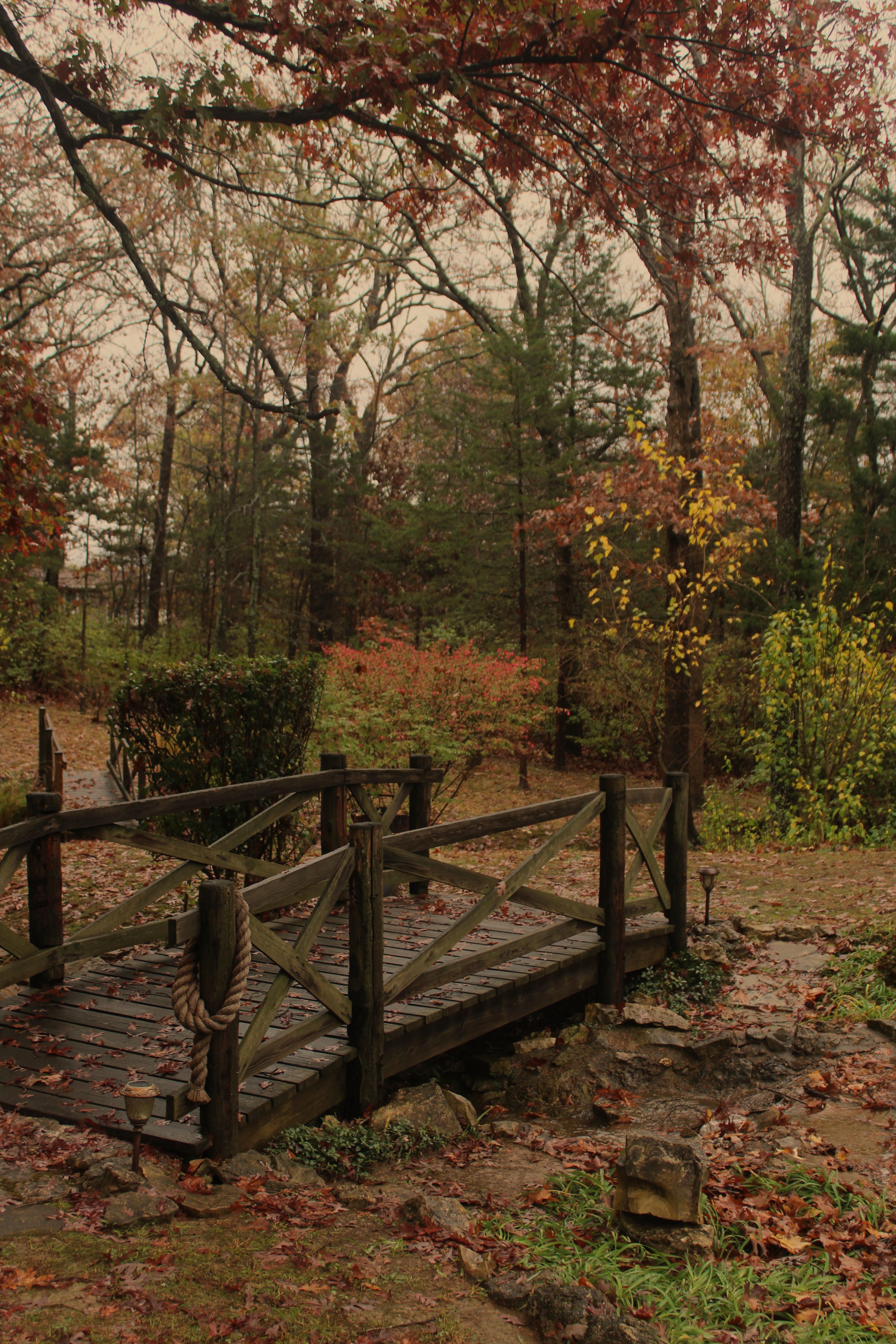
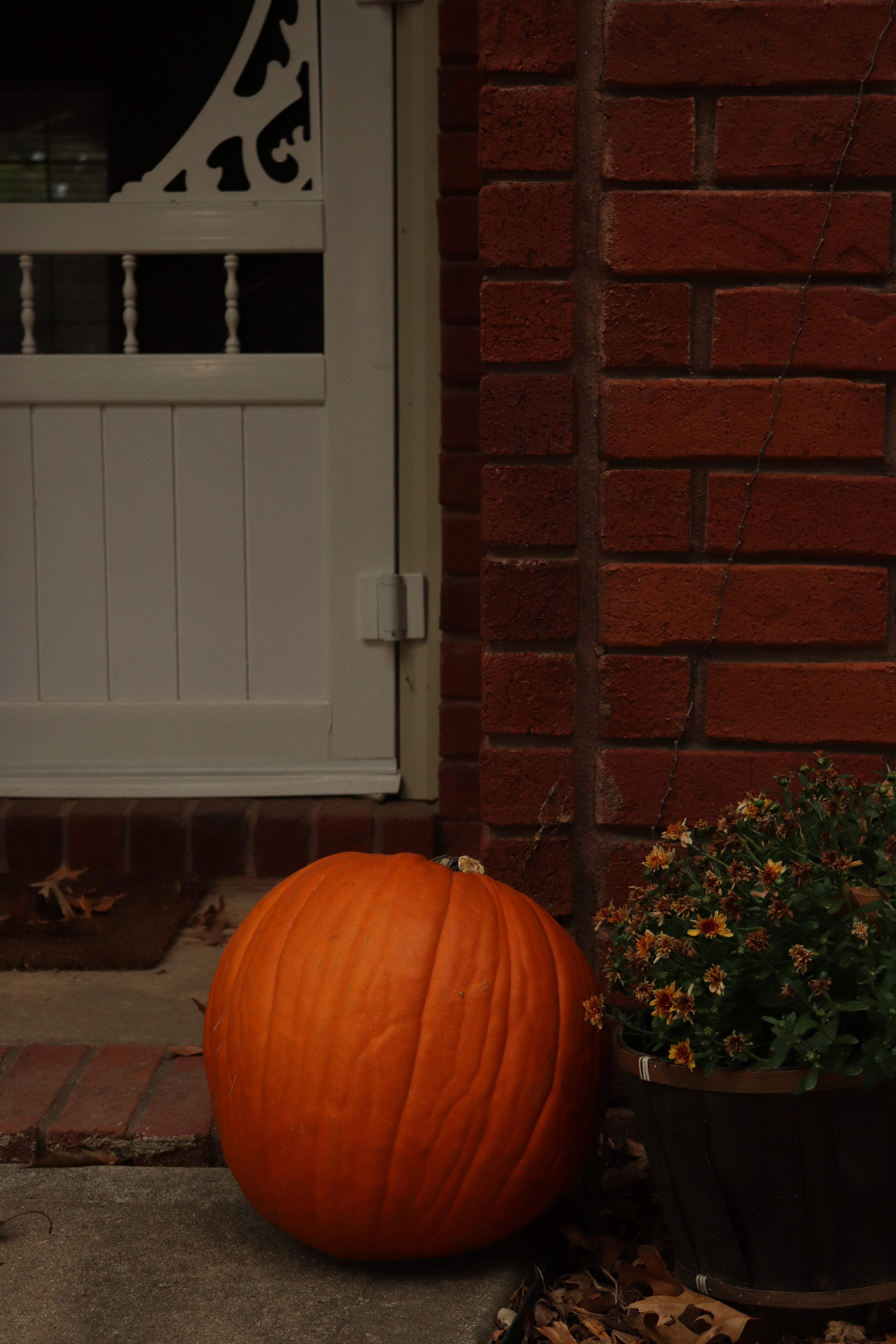
I’ve been thinking about all of this lately, since one warm evening in September when Jared’s grandmother passed away. We surrounded her bedside to say our goodbyes, then drove home to this place she and his grandfather had built (whom we lost just a month before our wedding). Rolling up the driveway at dusk, I rested my eyes on all we’d been given: the gabled, red brick house, the shop, the bordering woods, the sawtooth oak trees dropping fat acorns. The gratitude that settled over me reminded me of how the children of Israel must have felt when they entered the Promised Land behind Joshua to inherit a place they didn’t build:
“I gave you a land on which you had not labored and cities that you had not built, and you dwell in them. You eat the fruit of vineyards and olive orchards that you did not plant” (Josh. 24:13).
Not everyone lives on a generational property, but there’s a humility in recognizing you are living inside something you didn’t create. Even if you did build your own home—laid brick upon brick with your own hands—even then, you must know that “unless the Lord builds the house, those who build it labor in vain” (Ps. 127:1).
We did not plant these trees. We did not shingle or insulate this house. It is truly a gift—given before we were even thought of, before we knew we’d ever meet, love each other, and dwell together. The Lord planted Israel, and He has planted us. It is like our salvation itself in Christ Jesus: we do not deserve to belong here, but we do. We didn’t lay a finger to build this place, but it’s home.
Like Nathan and Hannah Coulter in Mr. Berry’s Port William, we can only see it shining before us and do our best to love it well and with all our might.
“Sometimes I imagine another young couple, strong and full of desire, coming quietly into this old house that will be empty again of all that is of any use, and will be stale and silent and dingy with dust, and they will see it shining before them as Nathan and I saw it fifty-two years ago. And I say, ‘Welcome! Love each other. Love this place and use it well. Bless your hearts.’”
– Wendell Berry, Hannah Coulter

